As a website grows, its hosting requirements also evolve. Many websites start their journey on shared hosting because it is affordable, easy to manage, and suitable for beginners. However, shared hosting has limitations. When your website begins attracting more visitors, consuming more resources, or running advanced applications, shared hosting may no longer provide the performance and reliability you need.
This is where VPS Hosting becomes an attractive option. A Virtual Private Server (VPS) provides dedicated resources, improved security, better performance, and greater control compared to shared hosting. The challenge is knowing exactly when it’s time to make the switch.
1. Your Website Is Loading Slowly
Website speed plays a major role in user experience, search engine rankings, and conversion rates. If your website takes several seconds to load, visitors may leave before they even view your content.
On shared hosting, hundreds of websites share the same server resources. If another website on the server experiences a traffic surge, your website may suffer performance issues even when your own traffic remains stable.
A Virtual Private Server allocates dedicated CPU, RAM, and storage resources specifically to your website, resulting in faster page loading times and improved website responsiveness.
Warning Signs
- Slow page loading during peak hours
- Increased bounce rates
- Lower search engine rankings
- Frequent performance complaints from visitors

2. Traffic Growth Is Causing Performance Problems
Growing traffic is a positive sign for any business. However, if your hosting plan cannot handle increasing visitor numbers, performance problems can quickly appear.
Shared hosting environments are designed for low to moderate traffic websites. Once your traffic begins growing consistently, you may notice:
- Server slowdowns
- Timeouts
- Database delays
- Website crashes during promotions or marketing campaigns
3. You’re Experiencing Frequent Downtime
Website downtime can negatively impact your reputation, customer trust, and revenue.
If your website regularly becomes unavailable without any apparent reason, your shared hosting environment could be the cause. Since multiple websites share server resources, issues created by one website can affect everyone on the server.
Upgrading from shared hosting to VPS hosting significantly reduces this risk by isolating your website within its own virtual environment.
Why Downtime Matters
- Lost sales opportunities
- Negative customer experience
- SEO ranking impact
- Reduced brand credibility
4. Resource Limit Errors Are Becoming Common
Many shared hosting providers place strict limitations on:
- CPU usage
- Memory consumption
- Database connections
- Input/output operations
- Simultaneous processes
As your website grows, you may start receiving notifications about resource overuse.
Common symptoms include:
- 503 errors
- Account suspensions
- Temporary throttling
- Slow database queries
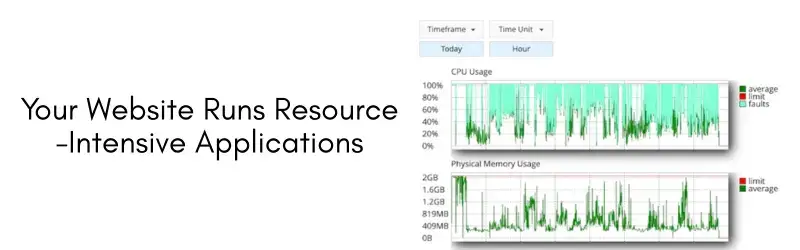
5. Your Website Runs Resource-Intensive Applications
Modern websites often rely on advanced applications such as:
- E-commerce stores
- CRM systems
- Membership platforms
- Learning management systems
- Custom web applications
These applications require consistent server resources to function properly.
Shared hosting environments often struggle to support demanding applications. In contrast, VPS Hosting provides the computing power needed to run complex applications efficiently.
6. Security Is Becoming a Major Concern
Cybersecurity threats continue to increase every year. While shared hosting providers implement basic security measures, your website still shares an environment with numerous other websites.
If another website on the server becomes compromised, there is a possibility that neighboring accounts could be affected.
A VPS provides:
- Greater isolation
- Enhanced security controls
- Custom firewall configurations
- Improved access management
7. You Need More Control Over Your Server
Shared hosting plans typically offer limited server access and restricted customization options.
You may encounter limitations when trying to:
- Install custom software
- Modify PHP settings
- Configure server services
- Optimize server performance
- Deploy specialized applications
A VPS provides root or administrative access, giving you complete control over your hosting environment.

8. Email Services Are Becoming Unreliable
Many businesses rely heavily on email communication for sales, customer support, and daily operations.
On shared hosting, email performance can sometimes suffer because of other users sharing the same server.
Common issues include:
- Delayed email delivery
- Blacklisted IP addresses
- Spam-related problems
- Sending limitations
9. Your Online Store Is Growing
E-commerce websites require stable performance, strong security, and consistent uptime.
As online stores grow, they often experience:
- Higher visitor volumes
- More database transactions
- Increased product catalogs
- More payment processing requests
Shared hosting environments frequently struggle to keep up with these demands. A Virtual Private Server provides the dedicated resources needed to maintain fast checkout processes, smooth browsing experiences, and secure transactions.
Benefits for E-commerce Websites
- Faster page loading
- Improved checkout performance
- Better customer experience
- Enhanced security compliance
- Higher conversion rates
10. You’re Planning Future Growth
One of the biggest mistakes website owners make is waiting until performance issues become severe before upgrading.
If you anticipate growth in:
- Website traffic
- Product offerings
- Content publishing
- Marketing campaigns
- Business operations
It’s wise to move to a scalable hosting solution before problems arise. A VPS allows you to easily increase resources as your website grows, ensuring your infrastructure keeps pace with your business objectives.
Shared Hosting vs VPS Hosting: Quick Comparison
| Feature | Shared Hosting | VPS Hosting |
|---|---|---|
| Resources | Shared | Dedicated |
| Performance | Variable | Consistent |
| Security | Basic | Enhanced |
| Scalability | Limited | High |
| Server Control | Restricted | Full Access |
| Reliability | Moderate | High |
| Customization | Limited | Extensive |
| Traffic Handling | Low to Medium | Medium to High |
How VPS Hosting Improves Website Performance
When you upgrade to VPS hosting, you gain access to:
Dedicated Resources
Your website receives guaranteed CPU, RAM, and storage resources.
Improved Stability
Other users cannot negatively impact your website’s performance.
Better Security
Enhanced isolation helps reduce security risks.
Faster Loading Times
Dedicated resources improve website responsiveness.
Scalability
Resources can be increased as your business grows.
Greater Control
You can customize server settings according to your requirements.
Conclusion
Shared hosting is an excellent starting point for many websites, but it is not designed to support unlimited growth. As traffic increases, applications become more demanding, and business requirements evolve, hosting limitations can begin affecting performance, reliability, and security.
If you are experiencing slow loading speeds, resource limitations, downtime, security concerns, or increasing traffic volumes, these are strong indicators that it’s time to move beyond shared hosting.
A well-configured VPS Hosting environment offers dedicated resources, improved security, greater flexibility, and the scalability needed to support long-term growth. By recognizing these signs early, website owners can avoid performance issues and create a stronger foundation for future success.